China Top 10 Spondylolisthesis System Suppliers

Time:2026-09-09 Author:Isabella
0%

China’s spinal implant industry has expanded rapidly, creating more choices for hospitals, distributors, and spine specialists. This article introduces China’s Top 10 Spondylolisthesis System Suppliers and explains how they may support surgical planning, implant selection, and postoperative care. The focus is practical, not promotional.

A reliable Spondylolisthesis System supplier should demonstrate more than product variety. Buyers should review implant materials, fixation designs, manufacturing controls, sterilization processes, and technical documentation. ISO 13485 certification, appropriate market approvals, and traceable quality records provide useful evidence. However, certificates alone cannot prove clinical performance. Surgeon feedback, case experience, training services, and responsive technical support also matter.

Details can make a real difference. A supplier may offer modular screws, rods, reduction tools, and interbody cages for different anatomical needs. Clear sizing charts can reduce operating-room delays. Consistent packaging protects sterile components during transport. Experienced representatives may help teams understand instrumentation before surgery, although support quality can vary between regions.

This ranking should not be treated as a final purchasing decision. Company capabilities, regulatory status, and product portfolios can change. Independent verification remains necessary. Some public information may also be incomplete or difficult to compare fairly. That limitation deserves attention.

The following overview considers product development, manufacturing experience, quality management, export activity, customer service, and professional reputation. It is designed to help medical buyers create a practical shortlist. Final selection should involve qualified clinicians, procurement specialists, and regulatory professionals. Patient safety must remain the central measure.
China Top 10 Spondylolisthesis System Suppliers

What Is a Spondylolisthesis System and How Is It Used?

China Top 10 Spondylolisthesis System Suppliers

What Is a Spondylolisthesis System and How Is It Used?

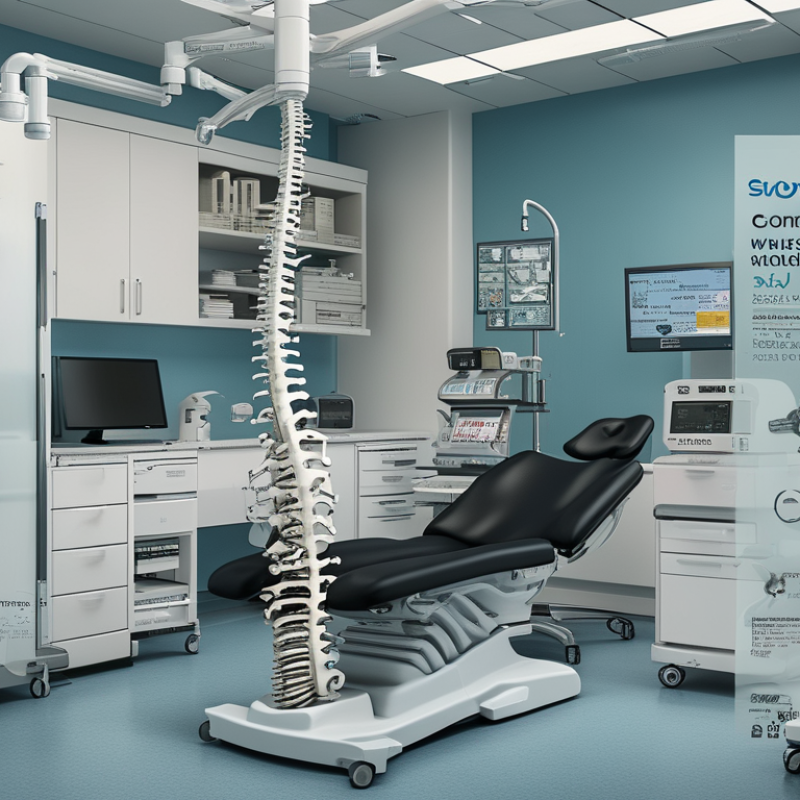
A spondylolisthesis system is an internal spinal fixation assembly. It commonly includes pedicle screws, rods, connectors, and locking parts. Some procedures also use an interbody cage. The exact combination depends on the vertebrae involved, instability, bone quality, and surgical goals. It is not a magic frame. Its main purpose is to stabilize slipped vertebrae and support spinal fusion.

A spine surgeon usually reviews standing X-rays, MRI scans, or CT images before selecting the construct. During surgery, screws anchor into strong parts of the vertebrae. Contoured rods connect those screws and help maintain alignment. Decompression may relieve pressure on nearby nerves. Bone graft material is often placed to encourage fusion between vertebrae. Careful positioning matters. A misplaced screw can create serious complications.

After surgery, follow-up imaging checks alignment and fusion progress. Patients may receive movement restrictions, wound instructions, and rehabilitation guidance. Recovery differs widely.

Age, smoking, osteoporosis, nerve damage, and overall health can affect results. Even a technically sound construct may not produce immediate pain relief.

That detail is easy to overlook. The term “spondylolisthesis system” can also sound more standardized than it really is. Designs, surgical techniques, and clinical evidence vary, so trained specialists should match the device to the patient rather than rely on catalog descriptions.

Criteria for Evaluating China’s Top Spondylolisthesis System Suppliers

China Top 10 Spondylolisthesis System Suppliers

Criteria for Evaluating China’s Top Spondylolisthesis System Suppliers

Evaluating China’s top spondylolisthesis system suppliers requires more than comparing catalog prices. Clinical evidence should lead the review. Look for published biomechanical data, documented testing, and feedback from spine surgeons using comparable cases. Ask how the system supports reduction, fixation, and fusion across different vertebral levels. Clear indications and limitations matter. Supplier experience with complex spinal procedures can reveal practical strengths that brochures often miss.

A reliable supplier should demonstrate a controlled quality system and consistent production records. Request batch traceability, material certificates, dimensional inspection reports, and sterilization information when applicable. Inspect sample implants and instruments for smooth edges, secure locking, and accurate fit. Small details matter in an operating room. Confirm whether instruments remain stable during repeated handling. Do not accept vague answers. Technical files should be organized, current, and easy to verify.

Service after delivery often separates capable suppliers from ordinary exporters. Evaluate surgeon training, surgical guides, instrument replacement, and response times for technical questions. Check whether the supplier can support local documentation and changing clinical needs. Pricing deserves attention, but the lowest offer may create hidden costs through delays or poor instrument compatibility. No supplier is flawless. Some evaluations overvalue certificates and underestimate operating-room feedback. Balance evidence, manufacturing discipline, clinical usability, and transparent communication before selecting a long-term partner.

Profiles of China’s Top 10 Spondylolisthesis System Suppliers

China’s top 10 spondylolisthesis system suppliers differ in design depth, manufacturing control, and clinical support. Their profiles should be assessed through more than catalog size. A credible supplier usually provides pedicle screw systems, rods, connectors, and reduction instruments with clear material specifications. Traceable production records matter. So does consistent dimensional accuracy.

Several suppliers emphasize modular systems for lumbar stabilization and minimally invasive procedures. Others focus on stronger reduction capability, easier rod placement, or broader instrument compatibility. Experienced evaluation teams inspect thread design, locking performance, surface finish, and fatigue-test evidence. They also review sterilization guidance and packaging integrity. Small details matter.

Clinical communication can separate a capable supplier from a merely visible one. Reliable companies often offer surgical technique documents, training models, responsive technical support, and documentation for quality management systems. Yet no profile should be accepted without independent verification. A polished website proves little. Hospital feedback, sample inspection, regulatory records, and long-term supply performance deserve closer attention.

Some supplier information remains incomplete, especially when public data lacks revision history or comparative test results. That weakness should be acknowledged. Buyers may need to request updated certificates, batch traceability, and evidence from actual use. The strongest profiles therefore balance engineering claims with observable manufacturing practice. This approach makes the comparison more useful for hospitals, distributors, and orthopedic professionals seeking dependable spondylolisthesis systems.

Comparison of Product Features, Certifications, and Manufacturing Strengths

China Top 10 Spondylolisthesis System Suppliers

Comparison of Product Features, Certifications, and Manufacturing Strengths

When comparing China’s top ten spondylolisthesis system suppliers, examine the complete treatment platform. A dependable system may include pedicle screws, rods, connectors, reduction tools, and trial instruments. Check screw diameter ranges, thread design, rod compatibility, and locking strength. Some systems offer polyaxial movement for easier alignment. Others focus on stronger reduction control. The best choice depends on anatomy, surgical technique, and hospital workflow. A polished catalogue can still hide practical limitations.

Certifications offer another clear comparison point. Review current ISO 13485 certificates, product registrations, and applicable market approvals. Confirm that certificate scopes cover the exact implant and instrument families. Manufacturing strength also matters. Look for CNC machining, titanium material verification, surface inspection, batch traceability, and documented validation. Suppliers with in-house testing may respond faster to design changes. However, “in-house” does not always mean superior. Ask for measurable records.

Tips: Request samples, technical drawings, test reports, and traceability documents before evaluation. Check packaging details and instrument ergonomics. Speak with surgeons who have handled similar systems. Small details matter. Also compare communication speed, complaint handling, and delivery consistency. I would avoid choosing only by price. That approach often misses training support and revision needs. Even experienced buyers can overlook compatibility between rods, screws, and instruments. A structured scorecard can reduce that risk.

How to Select a Suitable Chinese Spondylolisthesis System Supplier

Selecting a suitable Chinese spondylolisthesis system supplier requires more than comparing prices. Begin with a shortlist of ten qualified manufacturers. Check their quality management certification and device registration status. Ask for material certificates, sterilization records, and production traceability. These documents should match the actual system supplied.

Clinical suitability matters just as much. Review published evidence, technical drawings, implant sizes, and instrument compatibility. Ask experienced spine surgeons whether the reduction tools feel controlled during simulated procedures. Request samples for inspection, not only polished catalog images. Small details matter, such as locking resistance, screw thread quality, and tray organization. A supplier should explain testing methods clearly.

Communication often reveals operational maturity. Confirm lead times, lot tracking, complaint handling, and replacement procedures in writing. Reliable suppliers provide surgeon training through qualified professionals and respond with evidence, not vague promises. Factory audits can expose weaknesses that documents miss. I would also compare several production batches because one excellent sample proves little. No selection process is perfect; clinical needs, local requirements, and surgeon preference may change the ranking. A lower quotation can become expensive when instruments arrive late or technical support is weak. Choose the supplier that demonstrates consistent quality, transparent records, and practical support after delivery.

China Top 10 Spondylolisthesis System Suppliers - How to Select a Suitable Chinese Spondylolisthesis System Supplier

Rank Anonymous Supplier Profile Recommended Product Scope Key Technical Criteria to Verify Required Regulatory Evidence Material and Design Checks Customization Capability Quality and Traceability Documents Export and Service Evaluation Suggested Use Case Selection Score
1 Supplier Profile 01 Complete posterior lumbar fixation system with reduction screws, rods, set screws, and instruments Confirm screw pull-out strength, fatigue performance, rod-screw locking reliability, and instrument compatibility Request current NMPA registration information, ISO 13485 certificate, applicable test reports, and export-market documentation Verify implant-grade titanium alloy, surface finish, thread profile, dimensional tolerances, and corrosion resistance High; suitable for logo-free private-label packaging, instrument modifications, and selected dimensions Require batch records, incoming inspection records, sterilization validation where applicable, and product traceability Evaluate export experience, technical response time, packaging quality, and replacement-parts policy Hospitals and distributors requiring a broad standard portfolio Recommended after verification
2 Supplier Profile 02 Low-grade and high-grade spondylolisthesis reduction fixation components Check reduction travel, controlled reduction mechanism, locking torque, screw angulation, and intraoperative usability Verify product classification, registration status, quality-management certification, and country-specific import requirements Confirm titanium or cobalt-chromium material specification, MRI-related information, and implant marking method Medium to high; may support customized rods, screw lengths, trays, and surgical instruments Request material certificates, inspection standards, nonconformance procedures, and final-release records Assess clinical training support, multilingual documentation, delivery reliability, and warranty terms Spine centers performing reduction and stabilization procedures Recommended after verification
3 Supplier Profile 03 Open and percutaneous pedicle screw fixation systems for lumbar and lumbosacral applications Verify polyaxial movement, tulip-head strength, guidewire compatibility, cannulated screw accuracy, and screw insertion control Request applicable NMPA records, ISO 13485 documentation, biocompatibility evidence, and sterilization information Check implant material, cannulation quality, thread consistency, radiographic visibility, and surface cleanliness Medium; typically supports dimension adjustments and instrument-set configuration Require lot numbers, inspection certificates, packaging validation, shelf-life data, and complaint-handling procedures Review surgeon education, minimally invasive procedure support, inventory availability, and response to technical issues Distributors serving minimally invasive spine surgery markets Recommended after verification
4 Supplier Profile 04 Adult deformity and long-segment posterior spinal fixation system Assess rod contouring tolerance, connector strength, cross-link stability, multi-level construct compatibility, and fatigue testing Confirm regulatory scope covers all implant and instrument components supplied as a system Verify material combinations, galvanic-corrosion controls, rod diameter tolerances, and connector locking performance High; may provide extended rods, offset connectors, cross-links, and customized instrument trays Require design-change control, supplier qualification records, process validation, and traceability to raw materials Evaluate project management, large-order capacity, technical drawings, and after-sales engineering support Complex deformity, revision, and long-segment fixation programs Recommended for project-based sourcing
5 Supplier Profile 05 Cost-efficient standard pedicle screw and rod system for routine lumbar fixation Compare screw dimensions, thread geometry, tulip-head design, rod seating, locking torque, and instrument ergonomics Verify current certificates rather than relying on catalogue statements or expired approvals Confirm implant-grade materials, passivation or cleaning process, dimensional inspection, and packaging integrity Medium; best suited to standard sizes and private-label packaging rather than major redesign Request certificates of conformity, batch inspection reports, product drawings, and storage requirements Assess minimum order quantity, lead time, sample policy, payment terms, and replacement procedures Price-sensitive distributors and routine hospital procurement Recommended after sample testing
6 Supplier Profile 06 Revision and salvage fixation components, including hooks, connectors, and modular accessories Check compatibility with existing construct dimensions, connector locking, revision access, and instrument interchangeability Request evidence for each accessory and confirm whether components may legally be marketed as one system Verify material compatibility, burr-free machining, edge finishing, and resistance to repeated instrument use High; suitable for special connectors, offset parts, and surgeon-specific instrument configurations Require component-level traceability, revision-control records, inspection plans, and corrective-action history Evaluate engineering communication, rapid prototyping, small-batch production, and technical troubleshooting Revision surgery and hospitals with mixed-system inventory Recommended for specialized sourcing
7 Supplier Profile 07 Minimally invasive and percutaneous fixation system with access cannulas and guide instruments Verify cannulated screw passage, guidewire retention, tower stability, instrument visibility, and fluoroscopy workflow Confirm sterilization status, reusable-instrument validation, biocompatibility data, and applicable market approvals Check implant alloy, instrument surface finish, cleaning accessibility, and compatibility with hospital reprocessing protocols Medium to high; may support access-kit changes and selected instrument adaptations Request reprocessing instructions, instrument inspection criteria, packaging records, and product-lifecycle information Assess procedure-specific training, video or illustrated instructions, technical hotline, and spare-instrument supply Minimally invasive spine programs and ambulatory surgical centers Recommended after procedural evaluation
8 Supplier Profile 08 Specialized fixation system for sacral, iliac, and lumbopelvic stabilization Evaluate iliac screw options, rod-to-rod connectors, sacral fixation strength, construct alignment, and fatigue resistance Verify regulatory coverage for pelvic components, intended use, labeling, and clinical-risk documentation Check long-term corrosion behavior, material pairing, screw head strength, and anatomical contour options High; appropriate for anatomical dimensions, extended rods, and patient-specific planning support Require design verification, risk-management files, raw-material certificates, and lot-level release documentation Assess engineering support, complex-case planning, delivery of uncommon sizes, and complaint response Complex lumbopelvic fixation and high-grade instability cases Recommended for clinical review
9 Supplier Profile 09 Integrated system combining fixation implants, instruments, trial components, and procedure trays Review system completeness, instrument-to-implant fit, tray organization, sterilization workflow, and missing-component controls Confirm that implant and instrument documentation is consistent across catalogues, labels, certificates, and technical files Verify implant materials, instrument durability, cleaning validation, and resistance to repeated sterilization cycles High; supports tray layouts, instrument marking, packaging formats, and selected component modifications Require complete technical files, traceability procedures, inspection records, and change-notification commitments Evaluate one-stop delivery, inventory planning, training materials, and service-level agreements Hospitals seeking a complete procedural solution from one source Recommended after system audit
10 Supplier Profile 10 OEM and contract-manufacturing partner for private-label spondylolisthesis systems Assess design-transfer capability, manufacturing controls, process repeatability, inspection equipment, and production scalability Define the legal manufacturer, registration responsibilities, technical-file ownership, and post-market obligations before contracting Verify approved material sources, machining controls, cleaning, passivation, packaging, and shelf-life validation Very high; suitable for new designs, customized dimensions, private-label documentation, and dedicated production programs Require supplier audits, quality agreements, design-history records, batch traceability, and formal change control Evaluate confidentiality, intellectual-property protection, production capacity, lead times, and long-term service commitments Medical-device companies developing or outsourcing a proprietary system Recommended after supplier audit

Note: The supplier profiles above are anonymous screening categories rather than company or brand claims. Before purchase, independently verify regulatory certificates, product registration, test reports, material certificates, sample performance, quality-system records, and export documentation.

FAQS

: What is a spondylolisthesis system?

: It is an internal spinal fixation assembly. It commonly includes pedicle screws, rods, connectors, and locking parts. Some procedures also use an interbody cage. It helps stabilize slipped vertebrae and support spinal fusion. It is not a magic frame.

How is the system used during surgery?

The surgeon places screws into strong vertebral areas. Contoured rods connect the screws. They help maintain spinal alignment. Decompression may reduce pressure on nearby nerves. Bone graft may support fusion between vertebrae.

How does a surgeon select the correct system?

Selection depends on anatomy, instability, bone quality, and surgical goals. Standing X-rays, MRI scans, or CT images guide planning. The surgeon also considers rod size and screw compatibility. Catalog descriptions are not enough. Patient needs come first.

What product features should buyers compare?

Check screw diameter ranges, thread design, and locking strength. Review rod compatibility and connector options. Polyaxial movement may simplify alignment. Some designs provide stronger reduction control. Small mismatches can cause large problems.

Which documents should a supplier provide?

Request current quality certificates and product registrations. Confirm that certificate scopes cover the exact implants and instruments. Ask for technical drawings and test reports. Review batch traceability documents. A certificate alone proves little.

What manufacturing details matter?

Look for controlled machining and titanium material verification. Surface inspection should be documented. Packaging details also deserve attention. In-house testing may support faster design changes. But in-house does not always mean superior.

What should hospitals check before purchasing?

Request product samples and compatible instruments. Examine instrument grip, tray layout, and locking access. Ask surgeons to handle similar systems. Compare delivery consistency and complaint handling. Price should not be the only measure.

What happens after surgery?

Follow-up imaging checks alignment and fusion progress. Patients may receive wound instructions and movement restrictions. Rehabilitation guidance often follows. Recovery varies widely. Pain may not disappear immediately, even after technically sound surgery.

Conclusion

This article provides a practical guide to China’s Spondylolisthesis System suppliers, beginning with an overview of what these systems are and how they support spinal stabilization, alignment, and surgical treatment. It explains key components, common applications, and the importance of selecting systems designed for clinical reliability and compatibility with appropriate surgical procedures.

The guide also presents a structured approach to evaluating leading Chinese suppliers, focusing on product design, material quality, manufacturing capacity, quality management, certifications, research and development, customization services, and after-sales support. A comparison of product features and production strengths helps readers understand differences among potential suppliers without relying solely on price. The final section outlines how hospitals, distributors, and medical procurement teams can select a suitable partner by assessing clinical needs, regulatory requirements, product consistency, communication efficiency, delivery capabilities, and long-term cooperation potential. This overview is intended to support informed, responsible, and professional supplier evaluation.

Isabella

Isabella

Isabella is a dedicated marketing professional with a sharp focus on driving brand growth and engagement through strategic content creation. With an extensive background in digital marketing, she combines her passion for storytelling with her keen understanding of industry trends to deliver......